Ippon Kumite No.7 – Nanahonme
A study in hip generation, continuous striking, and collapsing structure through connection
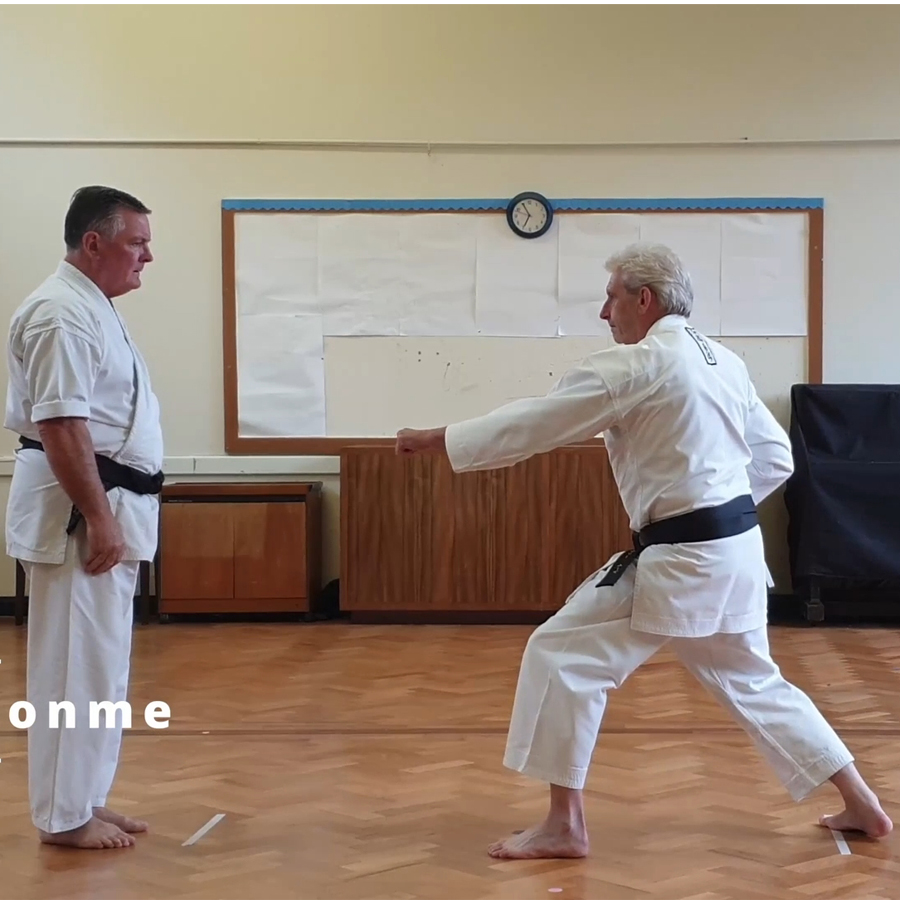
Ippon Kumite No.7 – Nanahonme continues the progression of the Wadō-Ryū syllabus, introducing a more dynamic use of the body through rotation, whipping action, and continuous striking.
Where earlier forms begin to explore control of the centre, Nanahonme develops this further through the generation of power from the hips and the ability to link techniques together without interruption.
“This is relaxed… it’s your body that is guiding you.”
Rather than thinking in separate techniques, this waza should be understood as a single continuous movement — driven by the body, expressed through the arms.
---Initial Movement – Off Line and Rotation
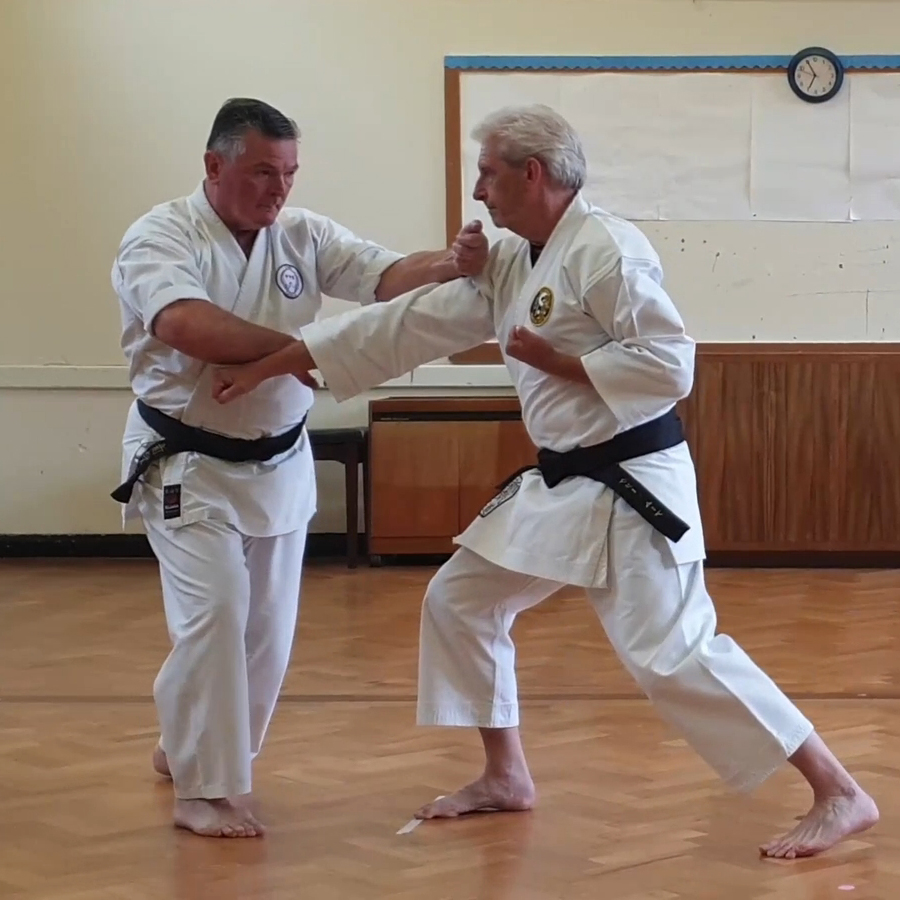
As the attack comes in, the body moves off the line and begins to turn. This is not a rigid block, but a light receiving action — enough to redirect and begin control.
The key is that the movement is relaxed and guided by the body, not forced through the arms.
“Move to the side and turn… this is relaxed.”---
Whipping Action – Generating Power
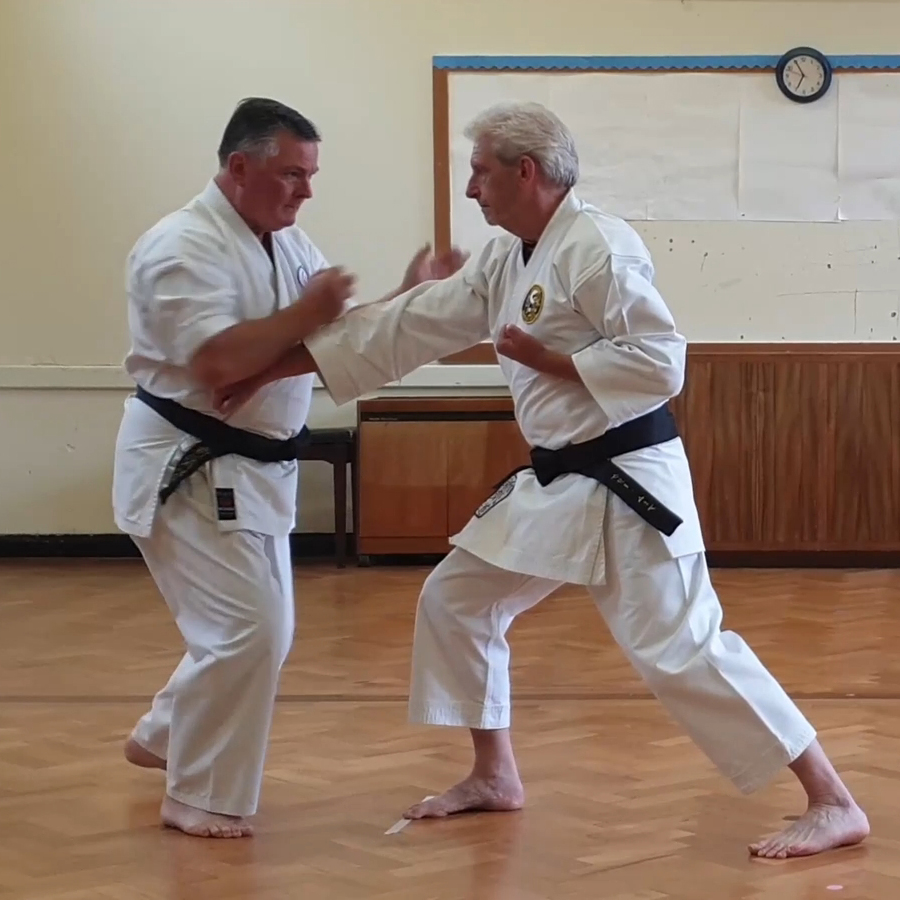
The next phase introduces a distinct whipping action generated from the hips. The strike is not delivered independently — it is the result of rotation.
This creates a natural acceleration, allowing the technique to arrive with speed and structure.
“You need this whipping action… this turn with your hip.”---
Following the Arm – Finding the Target
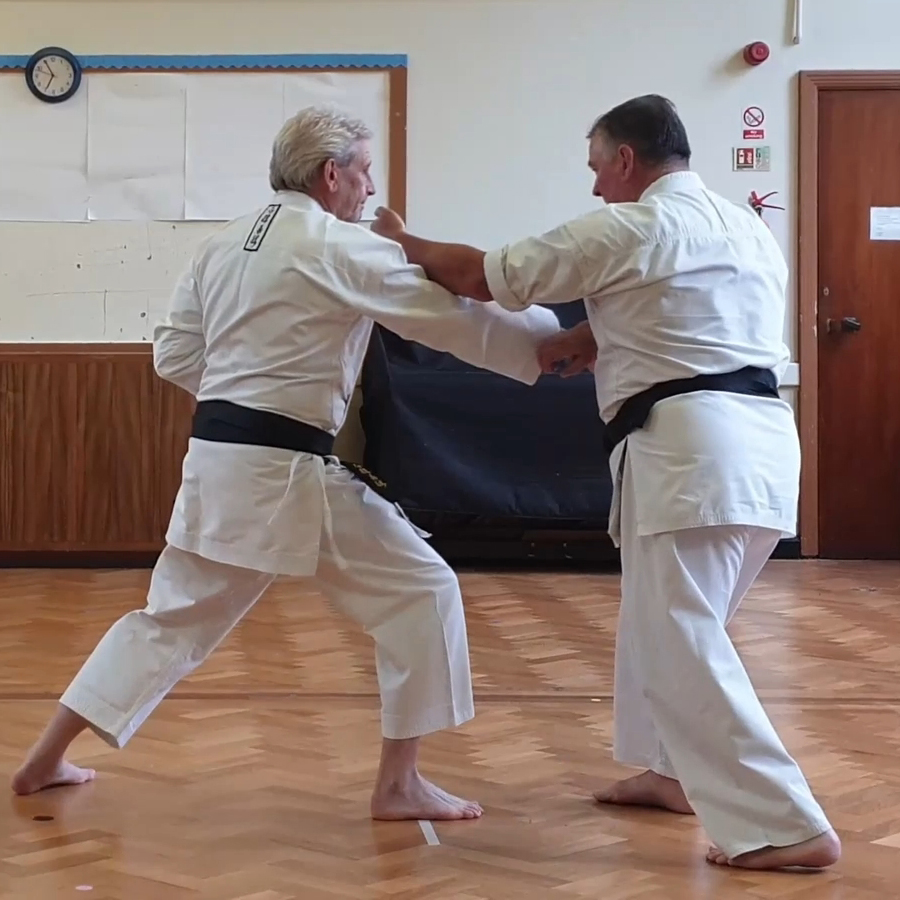
Rather than reaching for a target, the arm follows the contact already established.
This creates a natural path to the head and neck, maintaining connection throughout.
“Don’t try to find it — just follow the arm.”---
Continuous Motion – No Pause Between Techniques
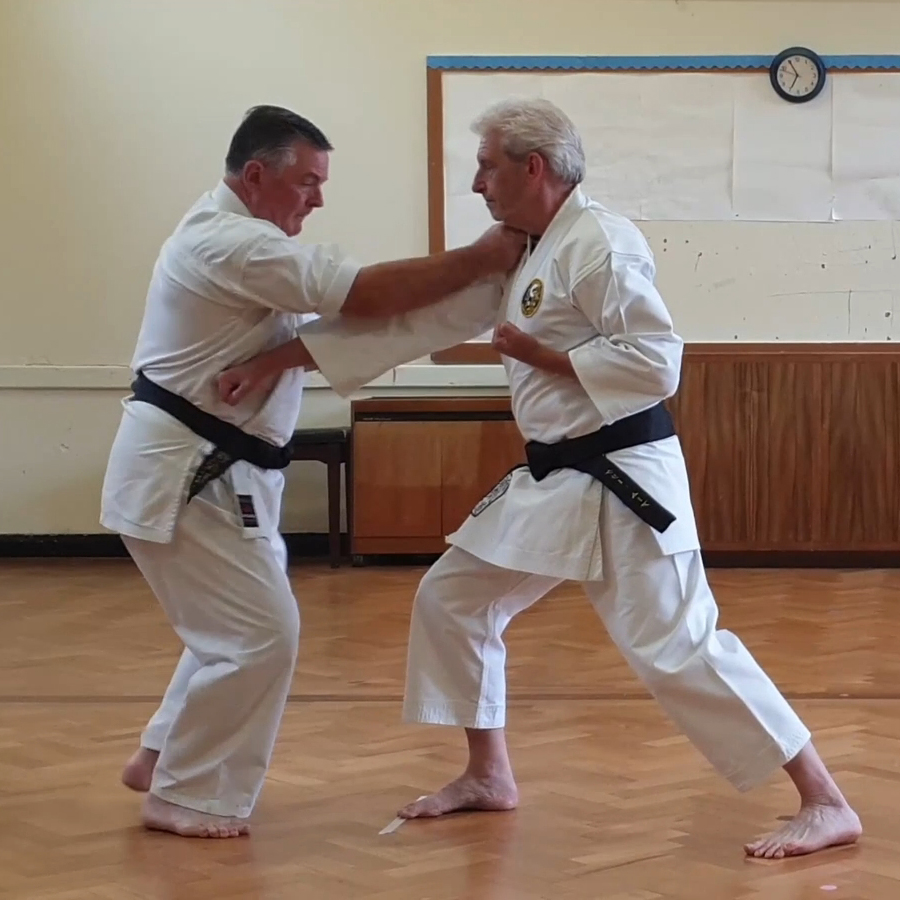
A defining characteristic of Nanahonme is the absence of pause between movements.
Each action feeds the next, creating a continuous cycle of generation and release.
“It’s like winding up a spring… and letting it go again — but don’t stop.”---
Re-Generation of Power
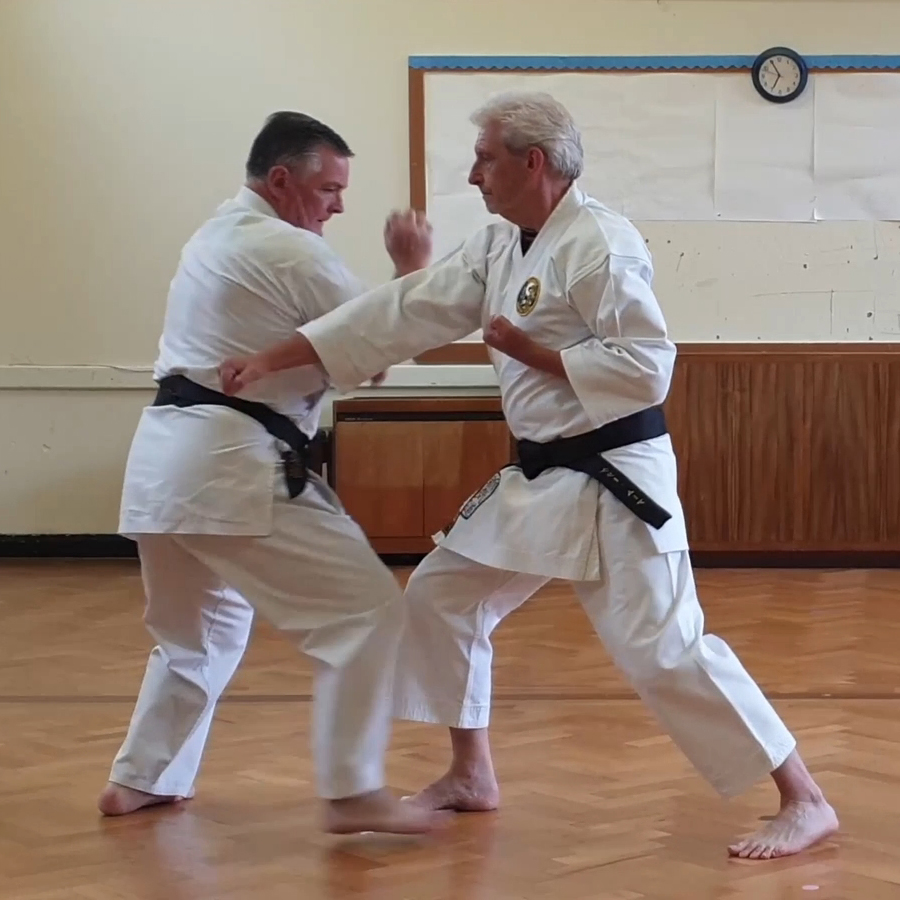
The hip resets and fires again, allowing the second strike to be delivered with equal or greater power.
This creates a rhythm of movement that is both efficient and difficult to counter.
---Close Range Control
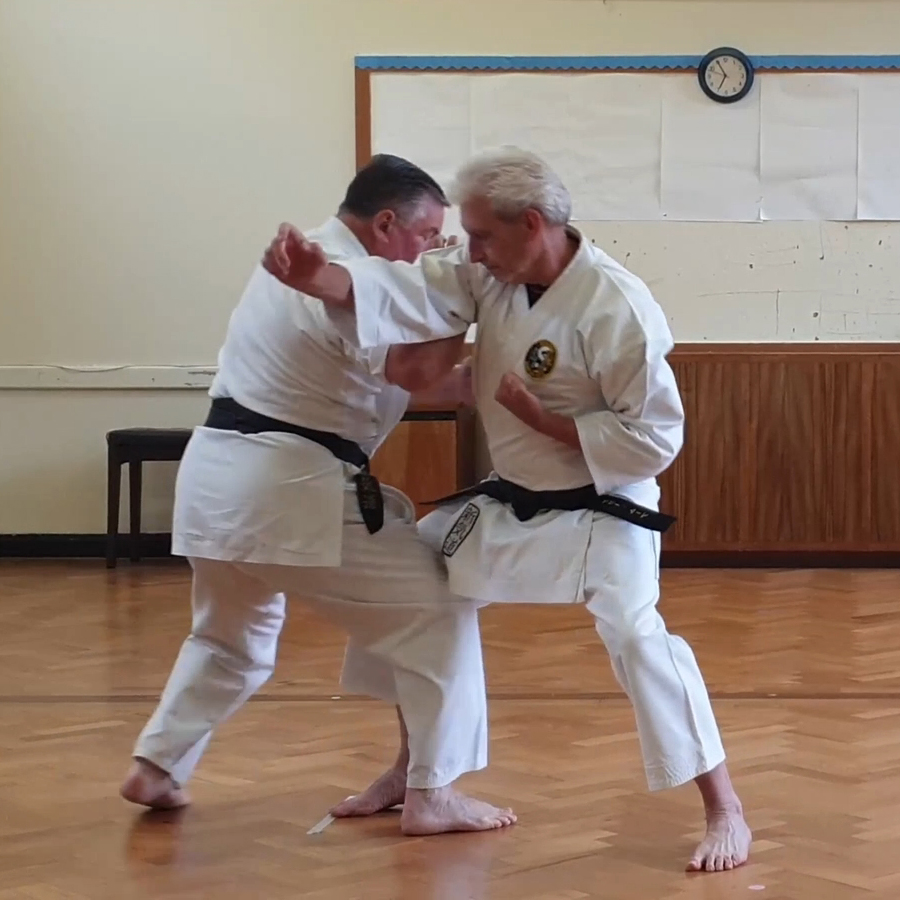
At close range, the emphasis shifts towards control rather than distance striking.
The body closes the space, maintaining pressure and preventing recovery.
---Disrupting Structure
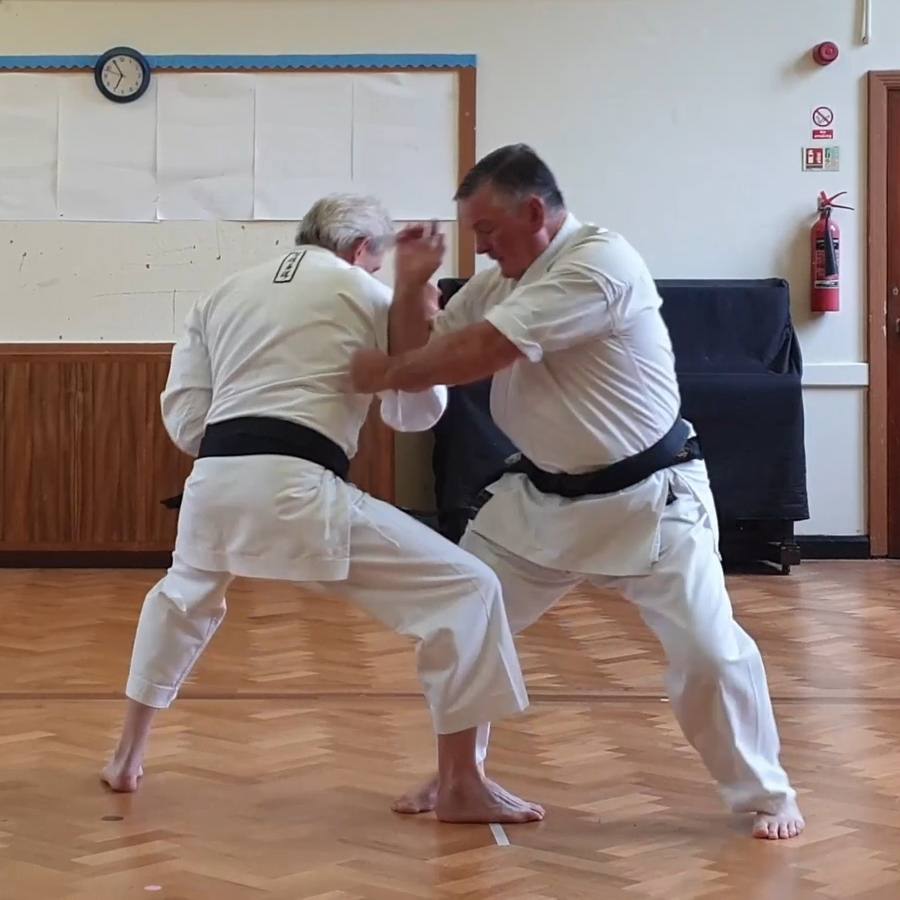
Through connection to the arm and pressure through the body, Uke’s structure begins to break down.
This is subtle, but extremely effective.
“If you can get them just slightly out of their centre… that’s a big point.”---
Collapse Through Knee and Body Weight
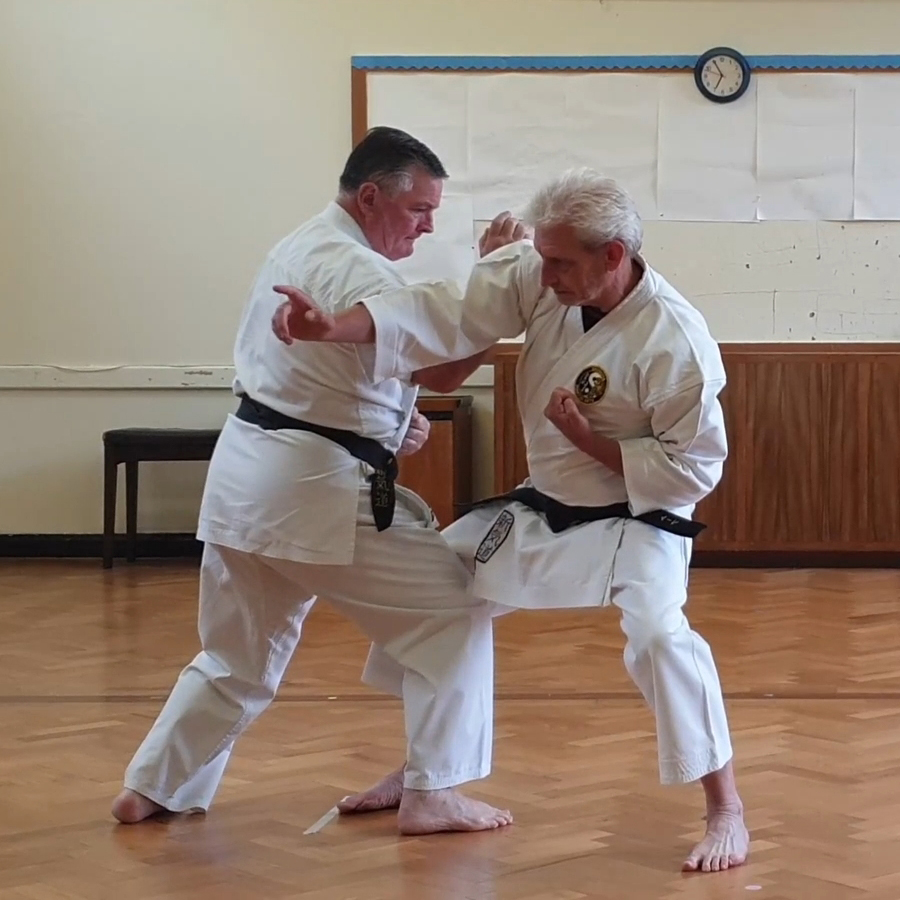
The final phase introduces a dropping of weight through the body and knee.
This creates a collapse in Uke’s stance, making resistance extremely difficult.
---Final Control
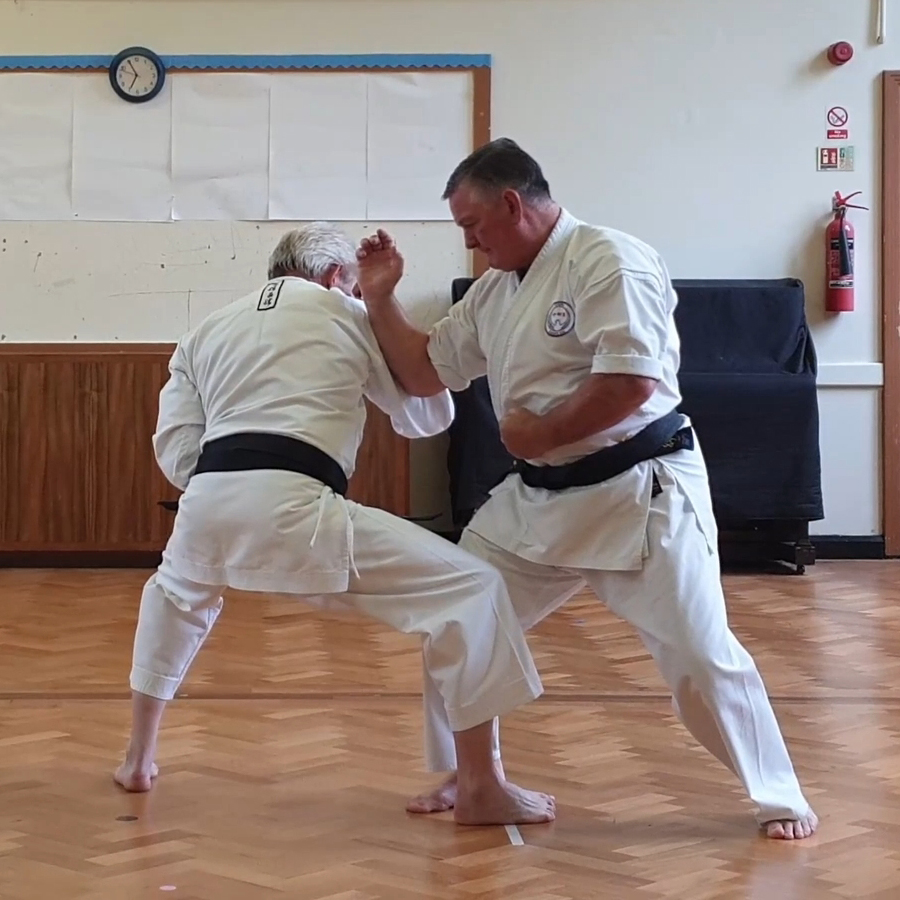
The technique concludes with complete control — not simply through striking, but through the breakdown of posture and balance.
“If you’ve broken their structure… it’s very difficult for them to counter.”---
What Uke Should Experience
- Loss of centre through initial redirection
- Whipping impact generated by hip rotation
- Continuous pressure without pause
- Disruption of stance and balance
- Final collapse through body weight and knee pressure
Key Principles
- Movement driven by the body, not the arms
- Continuous generation of power through the hips
- Following contact rather than reaching
- Maintaining flow between techniques
- Breaking structure through connection and weight
Final Thoughts
Nanahonme marks a clear step into more advanced Wadō practice. The emphasis shifts away from isolated techniques towards continuous movement, body connection, and the intelligent use of structure.
It teaches that power is not something added — it is something generated naturally through correct movement.
“Don’t stop… make it one complete movement.”
With careful study, this waza reveals how timing, rotation, and connection combine to create a technique that is both efficient and deeply effective.