Unlocking the Depth of Kushanku Kata in Wadō-Ryū Karate
· by Roger Vickerman Renshi (7th Dan) · Kata
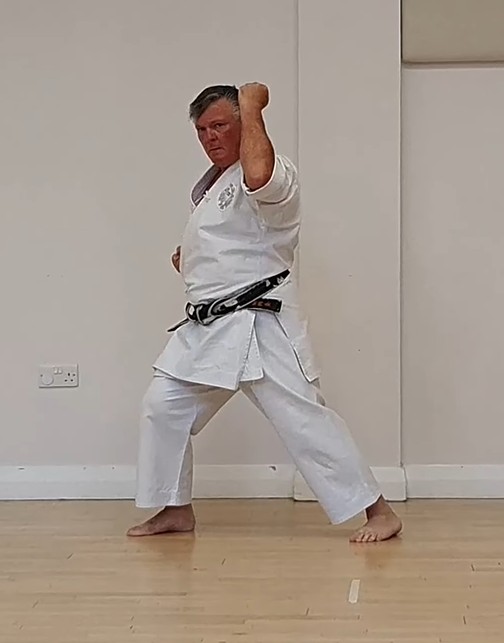
Kushanku (公相君) is a pivotal and demanding kata within Wado-Ryu Karate, representing a clear step beyond the Pinan series. Long, energetic, and complex, it weaves together dynamic movement, fluid transitions, and deep-rooted principles of traditional Okinawan Karate.
The kata is named after a Chinese martial artist—believed to have been a diplomat or military officer—who brought these methods to Okinawa in the 18th century. In that sense, Kushanku acts as a living bridge between older Chinese martial traditions and the evolving art of Okinawan and Japanese Karate.
Understanding the Kata
Kushanku demands both physical endurance and mental focus. Compared to the shorter Pinan forms, it introduces more advanced techniques, deceptive footwork, and explosive power generation. It also offers insight into a three-phase approach to combat: stand-up striking, close-quarter grappling, and even elements of groundwork.
Key Takeaways from Kushanku Kata
- The Importance of Stance and Structure: The opening sequence uses a stance wider than standard shizentai, building stability, engaging the lats, and encouraging internal power. Correct weight distribution is crucial; rushing these transitions often results in instability and loss of structure.
- Integrating Core Principles from Previous Kata: Kushanku is full of echoes from the Pinan series. Elements of Pinan Yondan can be seen in striking and stance transitions, while Pinan Shodan is reflected in the fluid defensive redirections and body movement.
- Breath Control and Perception: The initial hand movement is not merely decorative—it links breathing, readiness, and awareness of peripheral vision. Understanding your field of vision is essential for efficient reaction and defence.
- Throws and Joint Locks: Beyond block-punch combinations, Kushanku conceals grappling concepts (tegumi). Carefully examined, many sequences can be applied as wrist locks, takedowns, and positional controls, aligning closely with Wado-Ryu’s jujutsu influences.
- The Jump — More Than Just a Leap: The signature jump is both a test of athleticism and a representation of advanced evasion. Strength developed through kiba dachi and previous work in Pinan Godan prepares the practitioner for this demanding movement.
Practical Applications and Tactical Insights
In the accompanying video, Sensei Roger Vickerman (7th Dan Renshi, Chubu Karate) and Sensei Kerry Moore (Shinkido Martial Arts) explore the kaisetsu (applications) of Kushanku, highlighting several key tactical themes:
- Multiple Punching Variations: Kushanku teaches lifting strikes (tataken zuki) and downward strikes (oroshi zuki), reminiscent of old-school boxing mechanics and reinforcing versatile striking options.
- A Three-Phase Fighting System: The kata blends stand-up, grappling concepts, and groundwork, illustrating a broad, integrated view of combat rather than a single-range approach.
- Historical Context and Interpretation: Since the original creator’s exact intentions are unknown, modern practitioners must explore the movements through the lens of realistic self-defence and practical application, always with a critical and inquisitive mindset.
- Takedown and Sweeping Mechanics: Several sequences translate directly into throws, using kuzushi (balance breaking) and ashibarai (sweeping) to unbalance and control the opponent.
Kushanku’s Place in Your Training
Kushanku is more than a test of technical skill. It challenges patience, endurance, and clarity of mind. Breaking the kata into sections—such as four manageable portions—helps with learning and refinement, allowing you to explore structure, timing, and intent without becoming overwhelmed.
The goal is not simply to memorise a long sequence, but to internalise what each movement is for. As you train, always respect your instructor’s method. Alternative interpretations can enrich your understanding, but your sensei’s guidance remains central to your Wado-Ryu journey.
Continue the Journey
If you’re ready to deepen your understanding of Wado-Ryu Karate beyond the Pinan series, Kushanku is an ideal vehicle. It connects historical roots, practical application, and modern training in a single demanding form.
Watch the video on YouTube or join the conversation on Facebook.
What are your key takeaways from Kushanku? Share your insights and experiences below so we can continue learning and growing together as a Wado-Ryu community.