Discovering the Essence of Pinan Nidan in Wadō-Ryū Karate
· by Roger Vickerman Renshi (7th Dan) · Kata
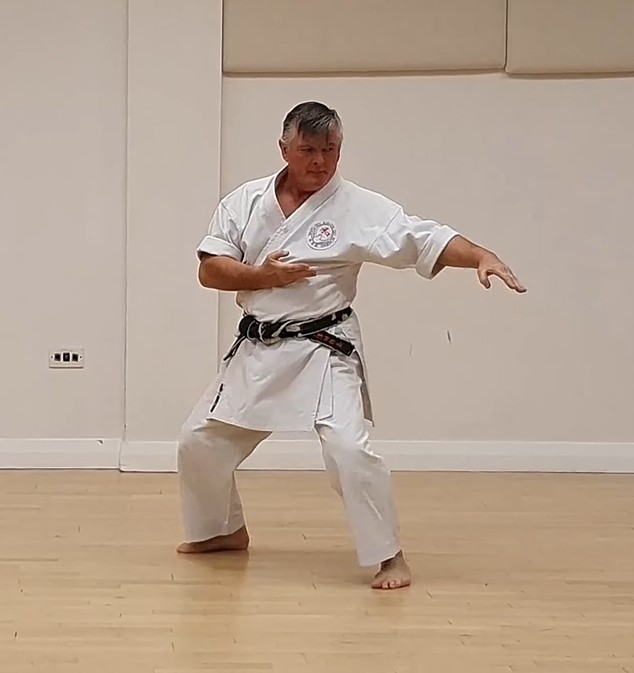
Pinan Nidan (平安二段) is more than just a kata in the Wado-Ryu syllabus; it’s a gateway to understanding stances, timing, and movement fundamentals. In our latest video, Sensei Roger Vickerman (6th Dan Renshi, Chubu Karate) and Sensei Kerry Moore (Shinkido Martial Arts) take an in-depth look at this foundational kata, breaking it down into its principles, Kaisetsu (applications), and nuanced movements.
A Journey Through the Kata
Pinan Nidan, or "Peaceful Mind Second Level," or “Peace and Safety Second Level” is often the first "proper" Kata introduced to students while practicing Kihon basics. Despite being an early Kata, its depth and complexity challenge practitioners to refine their stance transitions, balance, and control. The video explores its traditional and practical applications, blending Wado-Ryu's distinctive Jujitsu influences with orthodox techniques.
Key Takeaways from the Video Include:
- Respecting Variations Across Associations: Always perform kata as taught by your sensei, even if nuances differ between schools. The foundation remains consistent, but subtle changes reflect each dojo's unique lineage.
- Body Dynamics Over Brute Force: The video highlights the importance of using body movement, not just limb strength. Techniques like the Gedan Barai (low block) should harness the entire body's drop and rotation, creating a natural flow of energy.
- The Role of Jujitsu in Wado-Ryu: Pinan Nidan’s movements often go beyond mere strikes or blocks. For instance, a seemingly simple wrist motion might represent a release from a grip—a hallmark of Wado-Ryu’s integration of Jujitsu principles.
Five Core Lessons from Pinan Nidan
Here are five critical aspects emphasized in the video, which can elevate your practice:
- Stances Matter: Zenkutsu (forward stance), Kiba (horse stance), and Neko Ashi (cat stance) all feature prominently. Pay attention to the transitions—proper alignment and balance are key.
- Body Drop for Power: The initial movements in Pinan Nidan demonstrate how dropping the body vertically can generate significant impact without excessive muscular effort.
- Efficient Turning (Mawate): Turning in kata is not just about moving your feet. The video emphasizes shifting body weight to drive smooth, controlled turns that maintain balance.
- Timing is Everything: A well-executed kata harmonizes footwork, strikes, and blocks. The video underscores the importance of synchronizing the landing of your feet with the completion of your techniques.
- Distance and Harmony (Maai): Whether practicing solo or with a partner, understanding distance and timing ensures fluid and effective application of techniques.
A Living Kata, Not a Dance
One of the key insights from the video is transforming your kata into a "living" expression of martial principles. When you practice with intent, focusing on purpose rather than rote repetition, it becomes apparent in your movements. A live kata is a demonstration of understanding, passion, and control—a stark contrast to a hollow performance.
Beyond the Pattern: Applications and Principles
The video also dives into the Kaisetsu (practical applications) of Pinan Nidan, exploring how movements align with real-world scenarios. Vickerman Sensei and Kerry Sensei discuss using Kata principles in sparring and self-defence, emphasising adaptation and creativity while respecting the Kata's integrity.
If you're embarking on your Wado-Ryu journey or revisiting the foundations, this video is a treasure trove of insights. Watch it below and join the conversation on Facebook.
Watch the video on YouTube or join the conversation on Facebook.
What do you think? What insights have you gained from Pinan Nidan? Share your thoughts and let us grow together as a community of martial artists!