Unpacking the Complexity of Pinan Sandan in Wadō-Ryū Karate
· by Roger Vickerman Renshi (7th Dan) · Kata
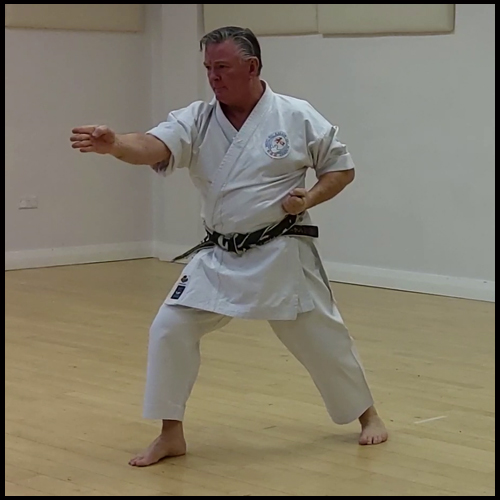
Pinan Sandan (平安三段) is often regarded as the pivotal turning point in the Pinan series—a kata that marks a shift from foundational training to deeper exploration of movement, mechanics, and application. While Pinan Shodan and Pinan Nidan establish the building blocks of Wado-Ryu, Sandan introduces a new level of sophistication, integrating fluid body transitions, weight dynamics, and the powerful principle of Meotode (husband-and-wife hands).
The Evolution and Purpose of Pinan Sandan
The Pinan kata series originates from Okinawan master Anko Itosu, who designed them as a progressive method for teaching core Karate principles. Pinan Sandan reflects this evolution clearly—its sequences blend defensive and offensive concepts while encouraging practitioners to engage both sides of the body in a coordinated, intelligent manner.
Too often, Sandan is treated merely as the “next kata in the list.” Yet when explored deeply, it reveals concepts that echo throughout the higher kata, particularly Seishan. Its study strengthens stability, sharpens timing, and nurtures a mindset of adaptability—essential qualities for any advancing martial artist.
Key Takeaways from the Video Include:
- Meotode — Coordinated Two-Handed Technique: Sandan highlights the use of both hands working in harmony, providing simultaneous defensive and offensive potential. This dual engagement allows for seamless energy transfer and effective control during applications.:contentReference
- Weight Shifting and Body Mechanics: Rather than relying on static positions, Sandan emphasises dynamic weight movement. Shifting forward, lowering the centre, and distributing weight correctly enhances stability and power generation.
- A Bridge Toward Advanced Kata: Several transitions and structural concepts mirror those found in Seishan, making Sandan an essential stepping stone for higher-level practice.
- Tegumi (Grappling) Influences: Many movements traditionally interpreted as blocks or strikes can also function as wrist manipulations, limb control, or takedowns—echoes of older Okinawan grappling traditions.
- Adaptability Across Styles: Variations appear between Wado-Ryu, Shotokan, Shito-Ryu, and Kyokushin versions of Sandan. These differences broaden perspective and encourage flexible thinking.
A Closer Look at the Principles in Motion
The video analysis by Roger Vickerman Renshi and Kerry Moore Sensei explores how each sequence in Pinan Sandan connects to real combative principles. Among the themes discussed are:
- Moving proactively into an opponent, rather than reacting from a static position.
- Using knee flexion and weight drop to create dynamic but controlled power.
- Employing double-handed movements for throws, locks, or counters—not merely for blocking.
- The influence of Seishan-like body alignment in certain transitions.
A Kata That Rewards Deep Study
Pinan Sandan is not simply a pattern to memorise. It is a blueprint—a living guide to understanding the interplay of body mechanics, timing, and intention. When revisited with a critical eye, it reveals new layers: alternative applications, improved body structure, and subtleties that become clearer with experience.
Whether refining fundamentals or preparing for more advanced kata, Sandan remains a source of insight for students and instructors alike.
Watch the video on YouTube or join the conversation on Facebook.
What insights have emerged for you while training in Pinan Sandan? Have you discovered particular sequences or applications that resonate with your practice? Share your reflections and help strengthen our community of martial artists.