
Fudōshin (不動心) — The Immovable Mind in Wadō-Ryū
· by Roger Vickerman Renshi (7th Dan) · Principles
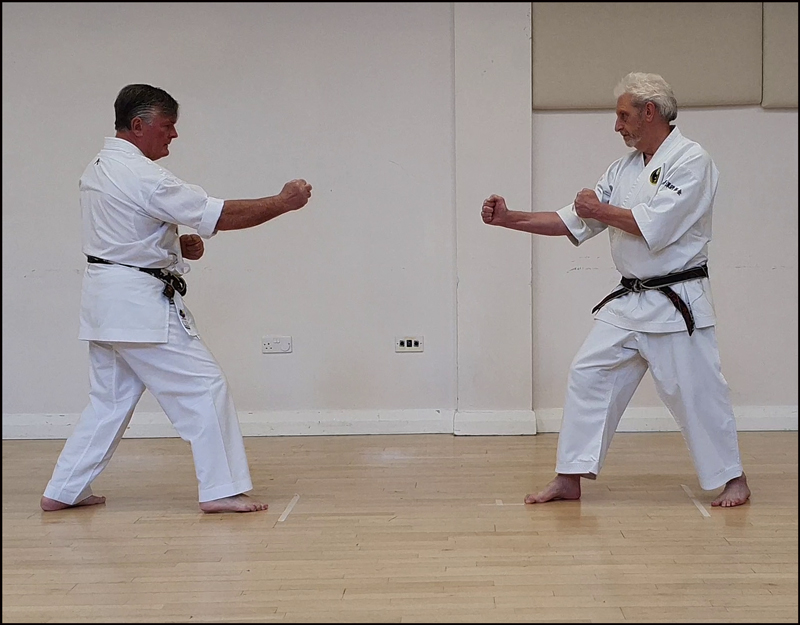
Fudōshin (不動心) translates as “immovable mind,” describing a state of calm, stable awareness that does not collapse under pressure. In Wadō-Ryū, it does not mean aggression or blind confidence — it means clarity, composure, and quiet certainty. Whether in kumite, kata, or life outside the dōjō, fudōshin reflects a mindset that remains steady regardless of circumstance.
When the mind becomes unsettled, the body tightens and movement loses its natural rhythm. When the mind is calm, posture settles, breathing becomes steady, and technique flows without hesitation. Fudōshin therefore represents the mental condition that allows Wadō principles to function without interference.
What Fudōshin Means in Wadō-Ryū
Fudōshin is not about forcing confidence or dominating an opponent. It is a quiet certainty that allows you to act clearly without emotional disturbance. In training this appears as:
- Remaining calm even when pressure increases
- Maintaining awareness without fixation
- Acting decisively without rushing
- Trusting training rather than reacting emotionally
This mindset reflects the deeper jujutsu influence within Wadō-Ryū — where success comes from clarity and timing rather than intensity alone.
Mind and Body Working Together
Fudōshin cannot be separated from physical training. A stable mind reduces unnecessary tension, allowing principles such as datsuryoku, ryūsui, and shizumu to emerge naturally. When fear or doubt appears, posture tightens and movement fragments; when the mind settles, technique becomes efficient and natural.
Senior practitioners often describe fudōshin not as emotional intensity, but as quiet readiness — prepared without forcing, focused without strain.
Where Fudōshin Appears in Training
You encounter fudōshin most clearly in situations where pressure challenges composure:
- Kumite, where calm timing replaces frantic reaction
- Kihon Kumite entries performed without hesitation
- Kata performance under fatigue or observation
- Senior-level practice where nothing appears rushed
Externally it may look effortless; internally it feels grounded and steady — a mind that does not chase outcomes.
Common Misunderstandings
- Fudōshin is not aggression or dominance.
- Fudōshin is not stubbornness or rigidity.
- Fudōshin is not believing you cannot fail.
Instead, it is calm adaptability — a mindset that allows correct action to arise naturally.
Fudōshin Beyond the Dōjō
While rooted in martial training, fudōshin extends into everyday life. Challenges become easier to face when the mind remains steady and positive. Martial arts training aligns body and mind so that composure becomes a natural habit rather than something forced.
In Simple Terms
Fudōshin is the calm mind that does not waver. It allows Wadō movement to remain clear and efficient even under pressure, turning technique into living practice rather than performance.
Upcoming filming sessions & YouTube releases
Stay tuned for new Kata deep-dives and historical features on our YouTube channel.
Join our mailing list for updates